Before the Entry Posts: Building a Classification File That Can Survive a Customs Review
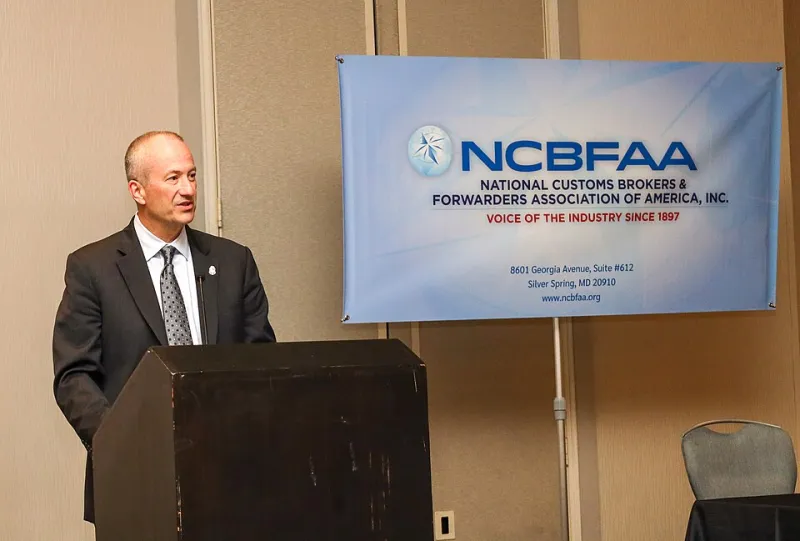
Photo: CBP Photography, Public domain, via Wikimedia Commons
For many U.S. importers, the tariff code on an entry summary is a field completed late in the process, often by a customs broker working from an invoice description and a supplier's best guess. The entry posts, the goods move, and the code disappears into the accounting system. That is precisely the problem. Classification is not a clerical step at the end of a transaction. It is a legal determination that sets the duty rate, affects eligibility for trade programs, and shapes the importer's exposure long after the container has been emptied.
At Shumpein Global Trading, we see classification as a shared discipline among buyer, supplier, broker, and counsel. The importer of record bears the legal responsibility, and U.S. Customs and Border Protection expects that responsibility to be exercised with reasonable care. A defensible process does not require a tariff lawyer in every purchase order. It does require a file that explains what was decided, why, and on what evidence.
The Cost of a Quiet Error
Misclassification is expensive in several directions. If the code carries a higher rate than the correct one, the importer overpays duty and may never notice. If it carries a lower rate, the importer faces a retroactive assessment, interest, and possibly penalties. The risk does not stop at the duty line. The code can determine whether a product qualifies for a free trade agreement, whether it is subject to antidumping or countervailing duties, whether it falls under a consumer safety or environmental program, and how it must be marked. A single wrong code can pull a shipment into a regulatory regime the importer never considered.
Finance teams feel this differently from operations teams. Operations sees a clearance delay. Finance sees a reserve, a margin variance, or an unexpected cash outflow. That is why classification should appear in costing models and supplier negotiations, not only in the broker's inbox on the morning of departure.
Classify the Product, Not the Purchase Order
The first principle is simple: classify the actual product. Invoice descriptions are written for commercial convenience, not for the Harmonized Tariff Schedule of the United States. A line item called a 'metal fitting' may be a pipe fitting, a furniture component, or a machine part, and each can fall in a different chapter. The General Rules of Interpretation provide the legal path, but the path depends on facts: composition, manufacturing process, function, packaging, and whether the item is a set, a part, or a complete article.
A useful test is whether a new employee could read the classification file and reach the same code without calling the supplier. If the file says only 'as per broker,' it is not a classification file. It is a note that someone else made a decision.
What Belongs in the File
A workable classification record is not a binder of every email. It is a concise, repeatable package. For each SKU or product family, include a technical data sheet, clear photographs, material composition, dimensions, and a short description of how the item functions. Add the supplier's factory description, any laboratory or safety reports, and a record of the classification rationale. The rationale should cite the relevant heading and, where needed, the General Rule of Interpretation that supports the result. If the product is sold in a set, note how the essential character was determined. If it is a part, note what it is a part of and why it is not classified as a complete machine.
The file should also record the decision date, the person who approved the code, and the next review trigger. Classification is not permanent. A change in material, function, packaging, or origin can change the answer. So can a change in the tariff schedule. A living file with a review date is more useful than a perfect file that is never opened again.
Who Owns the Code?
The importer of record cannot delegate legal responsibility to a broker. A broker can assist, and a good broker is invaluable, but the broker generally relies on the information the importer provides. The most reliable programs name a classification owner inside the company, often in trade compliance, engineering, or procurement. That person does not need to memorize the tariff schedule. They need the authority to stop a new product from shipping before the code is settled and the file is complete.
A new-SKU gate is one of the highest-return controls an importer can build. Before a purchase order is released, the product data sheet and proposed code should pass a short review. For established products, a periodic sample review catches drift. The finance team should see the classification at the costing stage, because a code change can alter landed cost, pricing, and margin assumptions.
When to Escalate
Not every product needs a binding ruling, but some do. A binding ruling from CBP provides certainty for the specific facts presented, and it is worth considering for high-value products, ambiguous sets, products that sit between two plausible headings, or items with significant regulatory exposure. The request should be prepared carefully, because a ruling is only as good as the facts supplied. A vague description produces a vague answer.
Outside expertise is also appropriate when a product touches antidumping or countervailing duty orders, complex origin rules, or multiple government agencies. The goal is not to outsource judgment permanently. The goal is to resolve a genuine ambiguity and then document the resolution so the internal team can manage the code going forward.
Rehearsing the Audit
An audit-ready importer can reconcile entries to purchase orders, invoices, and classification files. Pick a sample of ten entries each quarter and ask whether the file supports the code. If it does not, fix the file before CBP or a partner asks. If an error is found, take it seriously. Voluntary correction and, where appropriate, prior disclosure are far better than waiting for an assessment. The tone of the file matters as much as the code itself: a clear, dated, fact-based rationale demonstrates reasonable care.
A Practical Standard
The standard is not perfection. It is consistency. A U.S. importer that classifies products with the same discipline it applies to pricing, quality, and supplier selection will make fewer errors and resolve them faster. That discipline protects margin, reduces delay, and gives finance a number it can defend. In global trade, the six digits on the entry are small, but the process behind them is part of the deal.