The Atmosphere in the Box: Using Container Climate Records to Settle Import Disputes
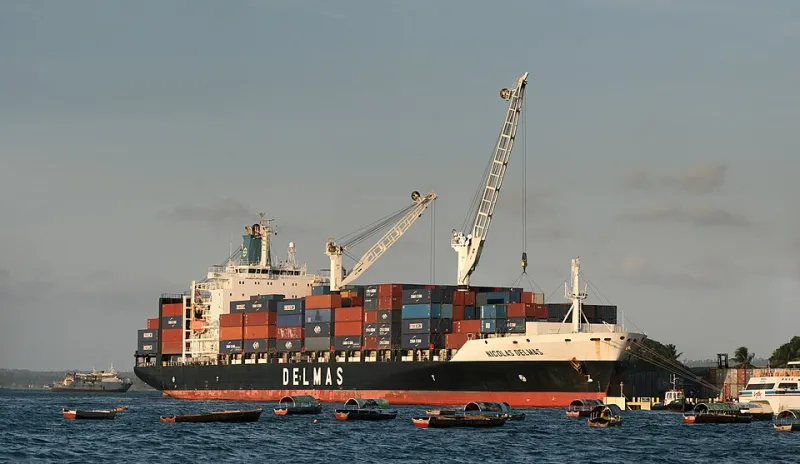
A container leaving an Asian port can look immaculate from the outside: seals intact, doors square, steel dry to the touch. Inside, however, the cargo may be passing through a miniature weather system. Temperature rises during the day and falls at night. Humidity climbs as moisture migrates from pallets, packaging, and the goods themselves. When warm, moist air meets a cooler steel wall or a cooler layer of cartons, condensation forms. By the time the container is unloaded in Long Beach, Savannah, or a Midwest distribution center, the damage may already be done — warped furniture, fogged electronics, mildewed textiles, or softened packaged foods.
The resulting dispute is familiar. The buyer reports damage. The supplier points to handling at destination. The freight forwarder cites normal transit conditions. The insurer asks for proof. Without a record of what happened inside the box, the conversation often collapses into negotiation by assertion. A small data logger, sometimes costing less than forty dollars, can change that conversation from opinion into evidence.
Why the Inside of a Container Is Its Own Weather System
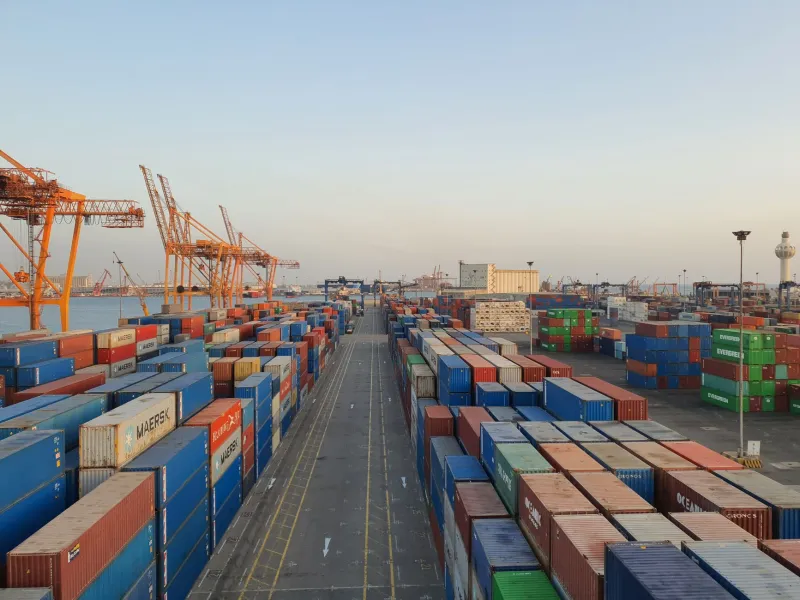
A shipping container is not a laboratory chamber. It is a steel enclosure exposed to sun, rain, sea air, and long periods of port dwell. Solar gain can push internal temperatures well above ambient during the day, particularly when containers sit on the top tier of a stack. Nighttime cooling can then pull those temperatures down sharply. This cycling matters because warm air holds more moisture than cool air. As the air cools, its relative humidity rises. At the dew point, moisture begins to condense on surfaces that are cooler than the air around them.
That is the mechanism behind container rain, the phenomenon in which water appears to fall from the ceiling of a supposedly sealed box. The moisture may not have entered through a hole. It may have been loaded with the cargo — in wood pallets, corrugated packaging, paper labels, or the goods themselves — and then redistributed by temperature changes. Route and handling amplify the effect. A container that waits for days on a humid dock, moves through several climate zones, or sits in a rail yard during a cold snap may experience conditions that no single loading inspection could predict.
Different cargoes respond differently. Electronics can suffer corrosion and condensation-related shorts. Furniture may warp, swell, or develop finish defects. Textiles can acquire mildew odors that are difficult to remove. Packaged foods may see label lifting, clumping, or moisture migration through films. In each case, the visible defect at the warehouse is the end of a process, not the beginning.
From Hunch to Record: What a Logger Actually Provides
A data logger does not prevent damage by itself. It records temperature and relative humidity at set intervals, creating a time-stamped trail that can be aligned with vessel departure, port arrival, rail movement, and final delivery. The value lies in the chain of evidence it supports. When a logger is placed at loading, photographed in position, and recovered at receiving, the importer has a documented environmental history rather than a series of guesses.
The device itself should be treated as part of the shipment, not an afterthought. Placement matters: a single logger near the door may not represent conditions deep in the stow. For high-value or sensitive cargo, two or three units in different positions can reveal whether a problem was localized or general. Calibration certificates, download reports, and secure storage of the raw data files add credibility. Receiving teams should photograph the logger, note its location, and download the data promptly rather than waiting for a dispute to escalate.
The cost is modest relative to the cargo. A shipment valued at forty thousand dollars may be protected by a handful of devices costing a few hundred dollars in total. The return is not only in claims recovery. The record can show whether packaging is adequate, whether a particular route exposes goods to avoidable extremes, or whether a supplier is loading cargo at an unsafe moisture level. That is operational intelligence, not just litigation preparation.
Contract Language Turns Data Into Responsibility
Environmental records become far more useful when the purchase contract anticipates them. A well-drafted clause can require data loggers for specified product categories, define acceptable temperature and humidity ranges, set the interval for recording, and require that raw data be shared within a fixed number of days after arrival. It can also establish an inspection window and a notice period, so that a damage claim is not raised months later when the evidentiary trail has gone cold.
The clause should avoid treating the logger as a weapon. Its purpose is to allocate responsibility fairly and to trigger corrective action. If conditions exceed agreed thresholds, the parties can agree on a joint review before assigning fault. Packaging specifications can be tied to the same data: for example, requiring desiccant quantities, moisture-barrier liners, or ventilation practices when a route is known to produce condensation. Incoterms address delivery, risk transfer, and cost allocation, but they do not by themselves resolve whether a microclimate event was foreseeable or whether packaging was sufficient. That is contract territory.
What the Records Usually Reveal
In practice, climate data tends to point toward a small set of causes. Cargo may be loaded with high moisture content. Pallets may be wet or inadequately dried. Packaging may seal in moisture rather than manage it. Containers may wait in humid conditions longer than planned. A route may expose goods to repeated temperature cycling that no party intended. Occasionally, the data shows that damage occurred after unloading, which is equally valuable to know.
The insight is rarely dramatic. It is usually a threshold crossed for several hours, a dew point reached during a cold night, or a humidity spike that coincides with a port delay. But that is precisely what makes it useful. Importers can adjust packaging, change stowage positions, add desiccants, negotiate route changes, or build realistic inspection windows into receiving schedules. Suppliers can be shown the conditions their goods experienced rather than accused of unspecified failures.
At Shumpein Global Trading, we see container climate records as part of a broader discipline: making the invisible parts of trade visible enough to manage. The sensor is inexpensive. The contract clause is not complicated. The real investment is the habit of treating environmental data as a normal part of the shipment file. For American importers protecting narrow margins, that habit can turn a forty-dollar device into a practical defense of both cargo and commercial relationships.