The Resilient Importer's Playbook: Building a Supply Chain That Bends Without Breaking
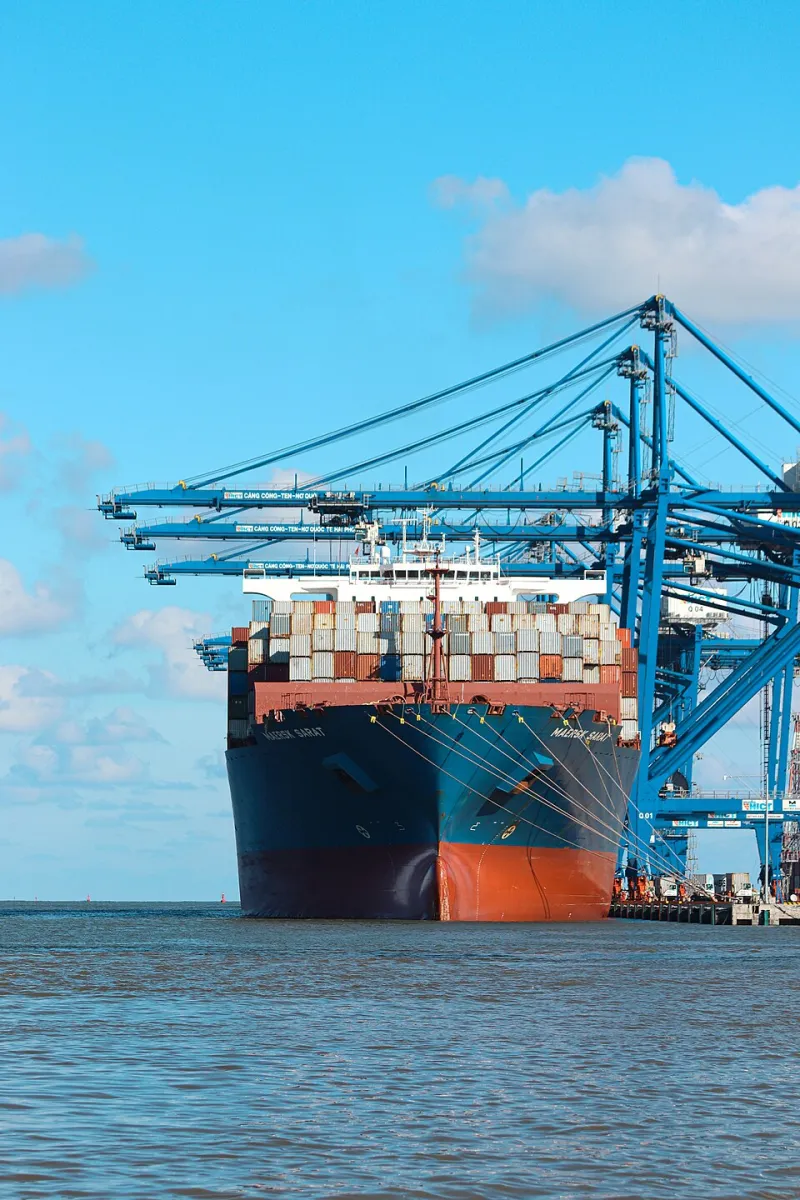
Photo: Nathan.cima, CC BY-SA 4.0, via Wikimedia Commons
For much of the past two decades, American importers optimized for one thing: lowest landed cost. That era is over. Between tariff realignments, Red Sea rerouting, Panama Canal draft restrictions, and a sourcing landscape that seems to shift quarterly, the businesses thriving in 2025 share a common trait — resilience built into the supply chain itself, not bolted on after a crisis.
At Shumpein Global Trading, we work with small and mid-sized US companies navigating exactly this terrain. What follows is the playbook we see working on the ground.
Why 'Cheapest' Is No Longer the Smartest Metric
The pandemic taught a hard lesson: a 3% unit-cost saving means little when a container sits offshore for six weeks. Today's disruption drivers are more varied than ever — election-cycle tariff policy, regional conflicts affecting shipping lanes, currency swings, and port labor negotiations. Sophisticated importers now evaluate suppliers on total cost of resilience: reliability, lead-time variance, and the price of switching when things go wrong.
That doesn't mean abandoning cost discipline. It means widening the aperture. A supplier in Vietnam quoting 5% above your incumbent may be the difference between hitting Q4 and missing it entirely.
The Supplier Vetting Checklist
Whether you're qualifying a first-time manufacturer or auditing a long-standing partner, a disciplined vetting process is your first line of defense. Before committing capital, confirm:
- Legal and financial standing. Request business registration documents, export licenses, and — where feasible — a third-party credit report. A supplier reluctant to share basics is a red flag.
- Production capacity and exclusivity. Visit or virtually tour the facility. Ask about current utilization; a factory at 110% capacity will deprioritize your orders.
- Compliance footprint. Verify adherence to US requirements: CBP import regulations, forced-labor screening under UFLPA, product safety standards (CPSC, FCC, FDA as applicable), and country-of-origin documentation.
- References from US buyers. Speak with at least two current American customers at a similar volume level.
- Communication and escalation paths. Identify a named contact with decision-making authority — not just a sales intermediary.
- Financial terms that signal health. Be wary of demands for unusually large upfront deposits; they often indicate cash-flow stress.
Document everything. A vetting file you can hand to your customs broker or compliance officer is worth its weight in gold when CBP comes calling.
Building Redundancy Into Procurement
Single-sourcing remains the norm for many mid-sized importers, usually for understandable reasons: volume discounts, quality consistency, relationship depth. But redundancy doesn't require duplicating everything. A tiered approach works:
- Primary supplier (60–70% of volume). Your established partner, ideally under a framework agreement with defined lead times and quality benchmarks.
- Secondary supplier (20–30%). A qualified alternative in a different country or region, receiving regular — even small — orders to keep the relationship warm and your product specs on file.
- Tertiary option (qualified, dormant). A vetted backup that has passed sampling and audit but holds no active volume. Reactivation should take weeks, not quarters.
The 'China plus one' strategy is the most common expression of this, with US importers adding capacity in Vietnam, India, Mexico, or Thailand. Nearshoring to Mexico deserves particular attention: USMCA preferential treatment, overland transit, and shorter feedback loops with engineering teams.
Leveraging Trading Partners When Disruption Hits
When a port closes or a tariff schedule changes overnight, speed of response separates winners from casualties. This is where experienced trading partners earn their keep. A well-connected trading company can:
- Redirect orders across its supplier network in days rather than the months it takes a solo importer to qualify new vendors.
- Consolidate freight from multiple suppliers into shared containers, preserving rates and space during capacity crunches.
- Navigate documentation — certificates of origin, tariff classifications, Section 301 exclusions — with up-to-date regulatory knowledge.
- Provide market intelligence on pricing trends and emerging sourcing regions before they appear in trade publications.
For a mid-sized importer without a dedicated sourcing office abroad, this network effect is often the most cost-efficient form of redundancy available.
A 90-Day Resilience Roadmap
If your supply chain review has been on the back burner, start here:
- Days 1–30: Map your current suppliers, single-source dependencies, and lead-time variability. Identify your top five at-risk SKUs.
- Days 31–60: Begin vetting one alternative supplier per critical category using the checklist above. Request samples.
- Days 61–90: Place a small pilot order with your secondary source. Review freight contracts and Incoterms. Establish a quarterly review cadence.
Resilience isn't a project with an end date — it's an operating discipline. The importers who treat it that way in 2025 won't just survive volatility; they'll convert it into market share while slower competitors scramble.
The global marketplace will keep throwing curveballs. The question isn't whether disruption comes, but whether your supply chain is built to absorb it. With the right structure — and the right partners — it can be.