The Hidden Mileage of a Ceramic Vase: What 'Landed Cost' Actually Buys You
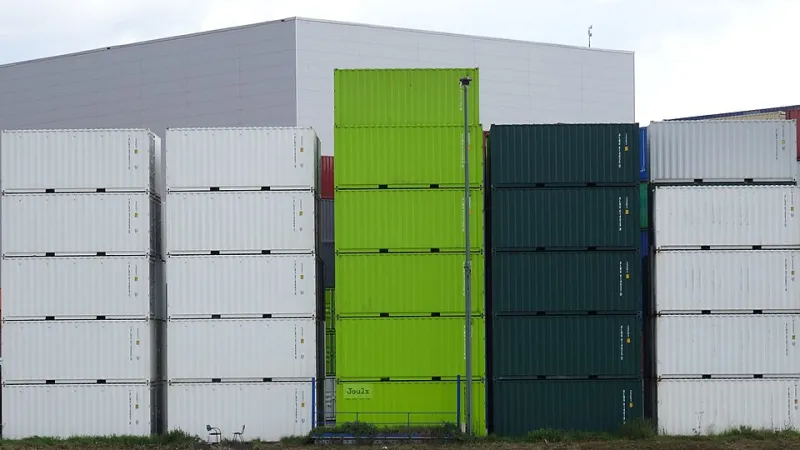
Photo: AgainErick, CC BY-SA 4.0, via Wikimedia Commons
One Vase, Forty Hands
Consider an unassuming stoneware vase, glazed in a soft sage green, destined for a living room mantel in Columbus, Ohio. Before it arrives, that vase will travel roughly 7,000 miles, pass through the hands of factory workers, freight forwarders, customs officers, longshoremen, and delivery drivers—and accumulate costs at every single stop.
For small American retailers and e-commerce entrepreneurs, understanding this journey isn't academic. It's the difference between a healthy margin and a quiet loss on every unit sold. Let's trace the vase's route and expose the arithmetic hiding inside the term 'landed cost.'
Stop One: The Factory Floor
Our vase begins in a ceramics workshop, priced at $4.00 per unit in an FOB (Free on Board) quotation. That figure sounds like the whole story, but FOB only covers the vase until it's loaded onto a vessel at the port of origin. Everything after—the ocean crossing, the port fees, the truck ride to your warehouse—sits outside that number.
Savvy buyers also account for tooling and sampling. If the vase requires a custom mold, that might run $800 to $2,000 upfront, amortized across your order quantity. A pre-production sample, plus the air freight to get it to your desk in two weeks, adds another few hundred dollars before a single unit ships.
Stop Two: Onto the Water
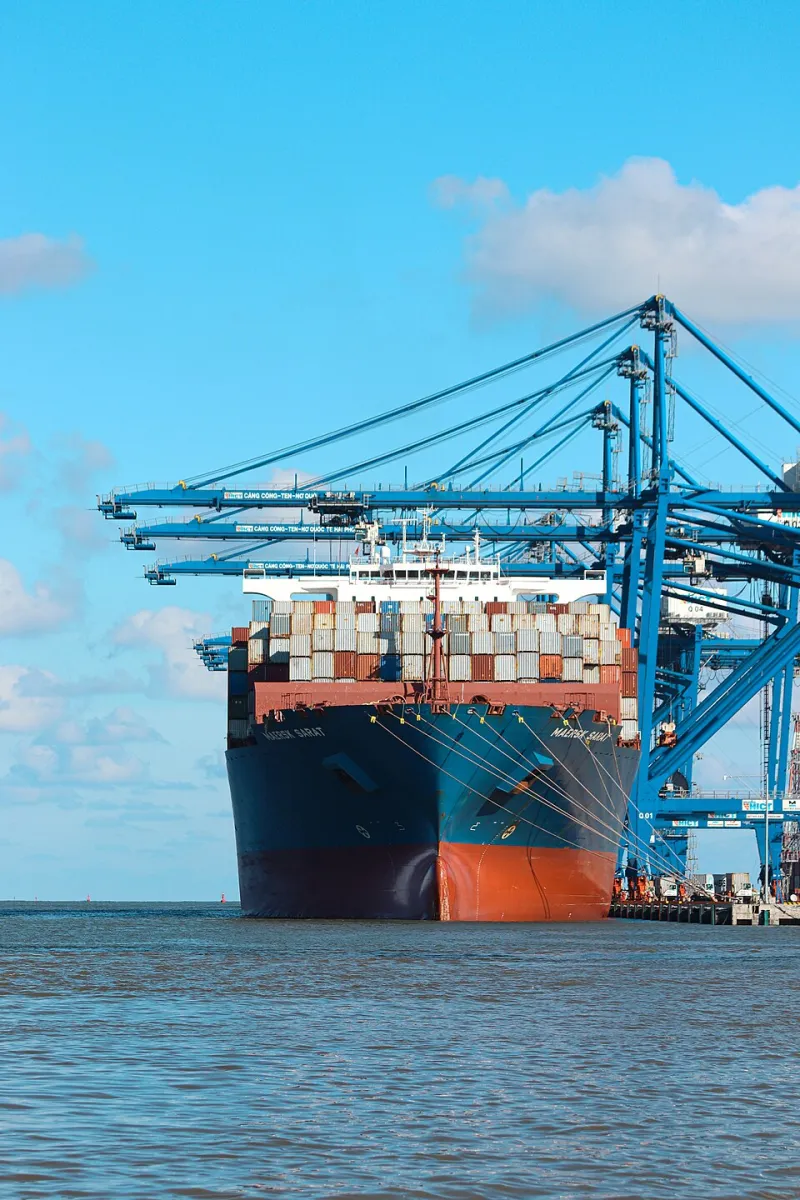
The vase is packed into a carton with twenty-three siblings, cushioned in molded pulp, and the cartons are palletized and stuffed into a 40-foot container alongside goods from other importers under LCL (Less than Container Load) terms.
Here's where the costs stack:
- Ocean freight: LCL rates fluctuate with demand. A cubic meter from Asia to the US West Coast might run $80–$250 in calm markets, and several times that during disruptions like the Red Sea diversions or West Coast port labor talks.
- Origin charges: Terminal handling, documentation, and export customs clearance at the loading port—often $100–$200 consolidated per shipment.
- Insurance: Marine cargo coverage typically costs 0.3%–0.5% of the cargo's value. Skip it, and one capsized vessel writes off your entire quarter.
Stop Three: The American Port
The container arrives at the Port of Long Beach. Now the vase enters the most bureaucratic stretch of its journey.
Customs entry and duties. Your customs broker files the entry and calculates duty using the Harmonized Tariff Schedule. Ceramic tableware and ornamental articles fall under various headings—duties can range from roughly 3% to over 25% depending on classification and country of origin. Misclassify the vase, and you risk penalties or retroactive bills.
Section 301 tariffs. If the vase originates in China, additional Section 301 duties may apply—sometimes stacking another 7.5% to 25% on top of the base rate. This single line item has reshaped sourcing decisions across the American retail landscape.
Merchandise Processing Fee and Harbor Maintenance Fee add a fraction of a percent each. Individually small; collectively noticeable.
Stop Four: The Warehouse and the Last Mile
Duties paid, the vase rides a drayage truck to a fulfillment center, incurring drayage fees, chassis rentals, and potential demurrage if the container sits too long at the terminal—typically $150–$300 per day after free time expires.
At the warehouse, expect inbound receiving fees, storage, and pick-and-pack charges. When a customer in Columbus clicks 'buy,' the vase ships via ground parcel: $9–$14 for a package this size, plus packaging materials and, increasingly, a returns provision. Roughly 15–20% of home goods sold online come back, and a returned fragile item often can't be resold as new.
The Honest Math
Add it up for a single vase:
| Cost Component | Approximate Amount |
|---|---|
| FOB product cost | $4.00 |
| Freight, insurance, origin charges (allocated) | $1.30 |
| Duties and tariffs | $1.10 |
| Brokerage, port, and drayage fees (allocated) | $0.60 |
| Warehousing and fulfillment (allocated) | $0.75 |
| Last-mile delivery and returns provision | $1.25 |
| True landed cost | ~$9.00 |
That $4.00 vase costs $9.00 to arrive at a customer's door—more than double the invoice price. Retailers who price off the factory quote alone are, in effect, donating money with every sale.
Why Transparency Is a Strategy
At Shumpein Global Trading, we walk clients through this full ledger before they commit to a purchase order. A supplier who seems 15% cheaper on paper can be 20% more expensive on arrival once freight terms, duty exposure, and packaging quality are factored in.
The vase on that Ohio mantel represents forty hands and a dozen hidden costs. The importers who thrive are the ones who can name every one of them.