Two Clocks, One Container: Auditing Demurrage and Detention Before They Audit You
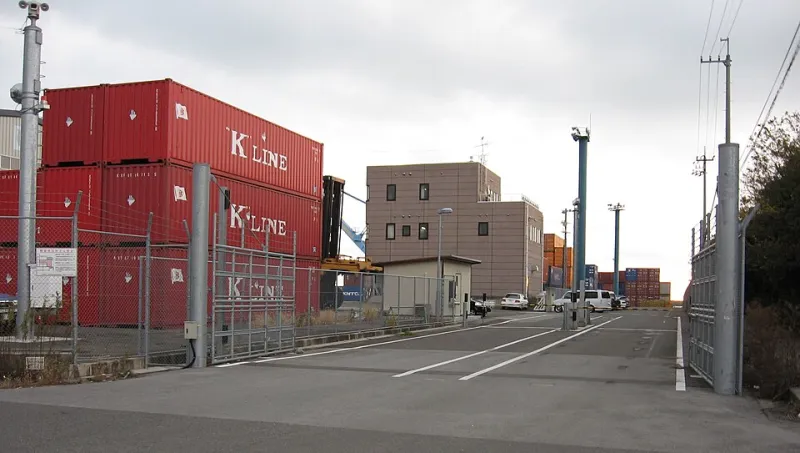
Photo: Gazouya-japan, CC BY-SA 4.0, via Wikimedia Commons
The Invoice That Looks Familiar
A container arrives at a U.S. port on a Tuesday. The cargo is ready. The buyer has a trucker booked. Yet three weeks later, an invoice appears with two unfamiliar line items: demurrage for the days the box sat at the terminal, and detention for the days it remained outside the gate before the empty was returned. The amounts are modest individually. Together, they can erase the margin on a small importer's entire shipment.
The mistake is treating these charges as unavoidable. They are not. They are the product of two clocks, each governed by different rules, different parties, and different evidence. Understanding where each clock starts — and who controls it — is the first step toward controlling the cost.
Two Clocks, Not One
Demurrage applies while a container remains inside the terminal beyond the free time granted by the ocean carrier. Detention applies once the container has left the terminal and is not returned empty within the agreed period. The same shipment can generate both. The same shipment can also generate neither, depending on when the gate-out, rail ramp, and empty return actually occur.
This distinction matters because the remedies differ. Demurrage disputes often turn on terminal appointments, port congestion, or carrier notification failures. Detention disputes often turn on warehouse scheduling, chassis availability, or the location of the empty return depot. Blurring the two is how importers pay charges they could have prevented.
An Audit in Four Columns
Consider a mid-sized American importer of home goods. A single 40-foot container moved through a West Coast port in early 2026. The carrier invoice showed four days of demurrage and six days of detention. The total was $2,850. The importer's operations manager requested the underlying records and built a four-column audit: event, timestamp, responsible party, and supporting document.
The first column revealed that the terminal had not released the container until Thursday afternoon, although the vessel discharged on Monday. The second column showed the trucker's appointment was available only on Friday morning. The third column showed the warehouse could not accept delivery until Monday because of a previously scheduled inventory count. The fourth column contained the carrier's free-time notice, the terminal appointment log, and the warehouse receiving calendar.
The audit did not eliminate every charge. It did reduce the demurrage by two days, because the terminal's own gate schedule proved the delay was not the importer's. The detention charge remained, but it prompted a conversation with the warehouse about future scheduling. That conversation was worth more than the refund.
Building a Free-Time Calendar
A free-time calendar is not a spreadsheet of hope. It is a working document that assigns a date and an owner to every handoff in the container's journey. Start with the carrier's free-time confirmation, not the tariff. Confirm the number of free days at destination, the last free day for demurrage, and the last free day for detention. Then work backward.
List the vessel arrival, the estimated discharge, the terminal's gate hours, the trucker's appointment window, the warehouse's receiving hours, and the empty return depot's location and cut-off. Assign a named person to each. A calendar with no owner is a calendar that slips.
For rail moves, add the ramp availability and the rail carrier's own free-time rules. For importers using multiple warehouses, note which facility can accept the container and which cannot. A container is not late because the ship was late. It is late because the next handoff was not ready.
Where Disputes Are Won
Disputes are rarely won with anger. They are won with a timeline. When challenging demurrage, request the terminal's gate log and the carrier's notification record. When challenging detention, request the empty return receipt and the depot's appointment history. If the carrier failed to notify the importer of arrival or free-time expiry, document that failure.
Timing matters. Most carriers have a dispute window, often measured in days from the invoice date. Missing that window is the same as accepting the charge. Build a routine: invoice received, records requested, timeline assembled, dispute filed. The routine should be boring. Boring routines are what keep small importers from subsidizing large terminal inefficiencies.
Negotiation Is a Calendar Conversation
Negotiation does not begin with a demand for waiver. It begins with a shared view of the calendar. Carriers and terminals respond better to a documented sequence of events than to a general complaint. If a warehouse repeatedly misses receiving windows, the fix may be a contract amendment, not a dispute. If a trucker consistently fails to return empties on time, the fix may be a different drayage partner.
Importers with predictable volumes can also negotiate free-time terms at the outset. A modest commitment to a carrier can sometimes yield an extra day or two of free time, which is worth more than a one-time refund. The goal is not to win every dispute. The goal is to make the calendar reliable enough that disputes become rare.
The Cost of Looking Away
Demurrage and detention are quiet because they arrive after the cargo does. They are also reversible, at least in part, when the importer keeps records and asks questions. The container does not care about the invoice. The clock does. The importer who knows when each clock starts — and who owns the next handoff — is the importer who stops paying for someone else's delay.
At Shumpein Global Trading, we view these charges as a supply chain design issue, not a billing accident. A calendar, a file, and a deadline are unglamorous tools. They are also the difference between a landed cost that holds and one that quietly grows after the ship has sailed.