Five Quiet Moves That Shield Small Importers From Currency Whiplash
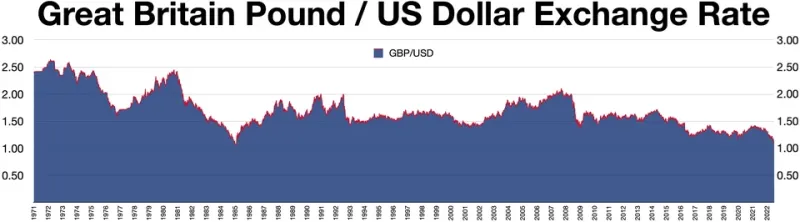
Photo: Wikideas1, CC0, via Wikimedia Commons
When the dollar weakened against major Asian currencies in late 2024, a New England housewares importer watched the landed cost of its best-selling line rise 4.2 percent between the signed purchase order and the wire transfer. No delay, no dispute, no supplier error. Just time, and the market's indifference to a small company's planning calendar.
For businesses with a dedicated treasury function, that kind of exposure is a solved problem. For the roughly 200,000 American SMEs that import goods, it's usually an unmanaged one — a margin leak acknowledged in the annual review and forgotten by February.
The good news: the tools that multinationals use are neither exotic nor expensive. What follows are the five approaches small importers actually deploy, ranked roughly by sophistication, with the honest costs of each.
1. The Forward Contract: Locking the Rate
A forward contract lets you fix today's exchange rate for a payment due in 30, 60, or 90 days. If you owe 1 million yuan in three months, you lock the rate now and stop caring what the market does.
What it costs: Banks and fintech platforms typically add a spread of 0.5 to 1.5 percent over the mid-market rate, and many require a deposit or line of credit against the contract. Minimums have fallen sharply — several online platforms now serve contracts under $10,000, a threshold unthinkable a decade ago.
The tradeoff: You give up upside. If the dollar strengthens, you'll envy the unhedged competitor. But as one veteran importer puts it, "I'm in the business of selling housewares, not forecasting currencies." Certainty has a price; so does surprise.
2. The Currency Clause: Making the Supplier Share the Weather
Rather than hedging in a financial market, some importers hedge in the contract itself. A currency-adjustment clause might specify that prices are quoted in dollars but recalculated if the relevant exchange rate moves more than 3 percent in either direction between signing and shipment.
What it costs: Almost nothing, beyond negotiation friction. Suppliers resist clauses that expose them one-sidedly, so the durable versions are symmetrical — both parties absorb swings beyond a band.
The catch: A clause is only as good as the relationship behind it. Enforcing a currency provision against a supplier you need next quarter is a strategic decision, not a legal one. It works best with partners where the contract is a framework, not a weapon.
3. The Pricing Buffer: Building Margin for Weather
The bluntest instrument: price your products with an embedded 2 to 3 percent currency cushion, and hold it there through the cycle. When the dollar is strong, the buffer fattens margins; when it weakens, the buffer absorbs the shock instead of forcing an awkward mid-season price increase.
What it costs: Competitiveness at the margin. In categories where customers compare prices to the penny, a visible buffer can cost sales. In categories where buyers value reliability — replenishment goods, B2B supplies — stable pricing is itself a selling point.
4. Natural Hedging: Matching Currencies to Currencies
The most elegant hedge requires no banker at all. If you pay a Vietnamese supplier in dollars but earn dollars from American customers, you carry exposure. If you can route some costs — a sales office, a regional warehouse, marketing spend — into the same currency as your payables, the exposures offset.
Smaller versions of this work too: holding a working-capital balance in the supplier's currency, timed against known payment dates, effectively self-hedges a portion of each order.
What it costs: Operational complexity and idle cash. But for importers with recurring monthly volumes, a modest foreign-currency balance often beats paying a spread on every single transaction.
5. Timing and Staging: The Poor Man's Hedge
Finally, the simplest lever: don't concentrate exposure. Staggering payment dates, splitting large orders into two shipments a month apart, and aligning payments with revenue inflows all reduce the damage any single rate move can inflict. It's imperfect, it's free, and it's the most common practice among importers who've been burned exactly once.
A Reasonable Starting Point
No single approach fits every balance sheet. A pragmatic blueprint for an SME new to the discipline:
- Under $50,000 in annual exposure: pricing buffer plus payment timing. Skip the banks.
- $50,000 to $500,000: forward contracts on the largest recurring payments, a currency clause in new supplier agreements, and a buffer on the rest.
- Above $500,000: a standing relationship with an FX platform, a written hedging policy — even one page — and a natural-hedging review with your accountant each year.
The through-line is that currency risk, like weather, cannot be eliminated — only dressed for. The importers who thrive are rarely the ones who predicted the market. They're the ones who decided, in advance, that they wouldn't have to.
Shumpein Global Trading publishes practical analysis for American importers and exporters. This article is general information, not financial advice; consult your bank and accountant before implementing hedging strategies.