Wire Nothing Until Wednesday: A First-Time Importer's Interrogation of the Supply Chain
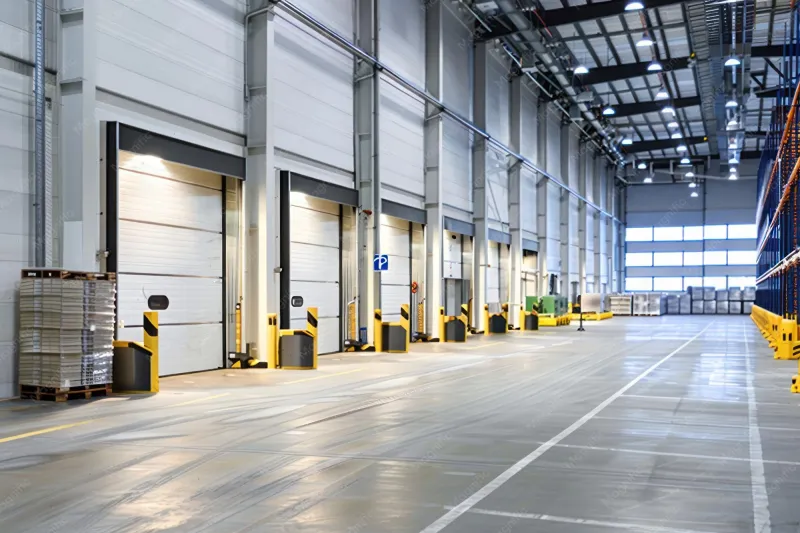
Photo: warehouse inspection checklist clipboard shipping containers supplier audit, via img.freepik.com
There's a moment every first-time importer knows: the supplier has been responsive, the samples look good, the quote is tempting, and the wire transfer form is sitting in your inbox. Everything feels fine. That feeling is exactly why you need a process.
Gut instinct works when you've done this a hundred times. For your first—your tenth—import, a repeatable checklist beats intuition every time. Below are seven questions that do more vetting work than most importers manage in a quarter.
Question 1: "May I see your business license and export history?"
A legitimate manufacturer produces these without hesitation. A trading company posing as a factory will deflect, stall, or send partial documents. Verify the license through official registries or third-party verification services, and check that the registered business scope actually covers what they're selling you.
The follow-up that matters: Ask how long they've exported to the United States specifically. A supplier with US experience already understands FDA, CPSC, and labeling requirements relevant to your category. One that doesn't will learn on your dime.
Question 2: "What do your audit reports actually say?"
Don't just confirm an audit exists—read it. Factory audits (SGS, Bureau Veritas, QIMA, and similar firms produce them) contain sections most buyers skip: working conditions, subcontracting practices, and capacity utilization. A factory running at 95% capacity in March cannot absorb your Q4 order in September.
Red flag: "Audit available upon request" that never arrives, or a report with the company name spelled three different ways.
Question 3: "Who exactly will be my contact, and where do they sit?"
Salespeople come and go; the person answering your emails today may not handle your production issues in month three. Get a name, a title, and—critically—their physical location relative to the factory. A sales office in a different city from the production floor adds a translation layer to every problem.
Why it matters: When a shipment goes sideways, response time is measured in hours. You want the person who can walk onto the production floor.
Question 4: "Walk me through what happens when an order runs late."
Every supplier says quality is their priority. Few volunteers describe their failure protocol. Ask directly: Who informs the client of a delay, how early, and what remedies exist? A supplier who answers comfortably has handled delays before. One who insists delays "never happen" is either new or lying.
The tell: Vagueness here predicts vagueness everywhere. If they can't articulate a delay process, imagine trying to get a straight answer mid-crisis.
Question 5: "What's your current capacity, and who else is in the queue?"
Capacity questions separate real manufacturers from hopeful intermediaries. Ask for monthly output in units relevant to your product, current utilization, and their two largest existing clients by order volume. You're not entitled to client names—you're testing whether the numbers cohere.
The math check: If a factory claims 500,000 units monthly but owns 40 sewing machines, the story collapses under simple arithmetic. Do the math before the sales call, not after the deposit.
Question 6: "Can you provide two references from US clients in my product category?"
References are the most underused tool in importer diligence. Two fifteen-minute calls with current US customers reveal more than any audit: how the supplier handles problems, whether invoices match quotes, whether quality holds after the honeymoon.
How to ask the reference: Skip "Are they good?" Ask "What went wrong, and how did they fix it?" Every supplier relationship has failures. You're evaluating recovery speed.
Question 7: "What payment terms are you flexible on—and why those?"
Standard first-order terms (often 30% deposit, 70% before shipment) favor the supplier heavily. Rather than accepting or rejecting, probe: Will they accept escrow or a letter of credit? Trade assurance through a platform? Terms flexibility signals confidence in their own operation. Rigid insistence on full prepayment from a first-time buyer is the single loudest warning in this entire list.
Building the Habit
Run all seven questions on every new supplier, every time—yes, even the ones who seem obviously legitimate, especially those. The process takes roughly a week and costs almost nothing. The average first-time importer who skips it spends that week's savings many times over on a problem a phone call would have caught.
Print the list. Make it a form. The goal isn't paranoia; it's repeatability. When vetting becomes routine, you stop gambling on suppliers and start choosing them.